
Why Urban Tunneling is the Key to Sustainable Cities of the Future
Cities around the world face growing challenges: rising populations, limited space, traffic congestion, and environmental concerns. To address these issues, many urban planners and engineers are turning to an unexpected solution—building underground. Urban tunneling offers a way to expand infrastructure without disrupting daily life on the surface. This approach supports sustainable growth, reduces environmental impact, and creates resilient cities ready for the future.

Expanding Urban Space Without Surface Disruption
Cities have limited room to grow horizontally. Building upward with skyscrapers helps, but it cannot solve all space problems. Underground tunnels provide a new dimension for expansion. They allow cities to add transportation routes, utilities, and pedestrian pathways without taking up valuable surface land.
For example, metro systems built underground can carry thousands of passengers daily, easing traffic on crowded roads. Cities like Tokyo, London, and New York have long relied on extensive subway networks to keep people moving efficiently. New tunneling techniques now make it possible to build these systems faster and with less disturbance to the city above.
World‑Famous Tunnels & Major Current Projects (curated list + sources)
Gotthard Base Tunnel (CH) — rail base tunnel, 57.09 km, opened 2016; world’s longest rail & deepest traffic tunnel

Channel Tunnel (UK–FR) — rail undersea, 50.46 km, opened 1994; longest undersea section (37.9 km).

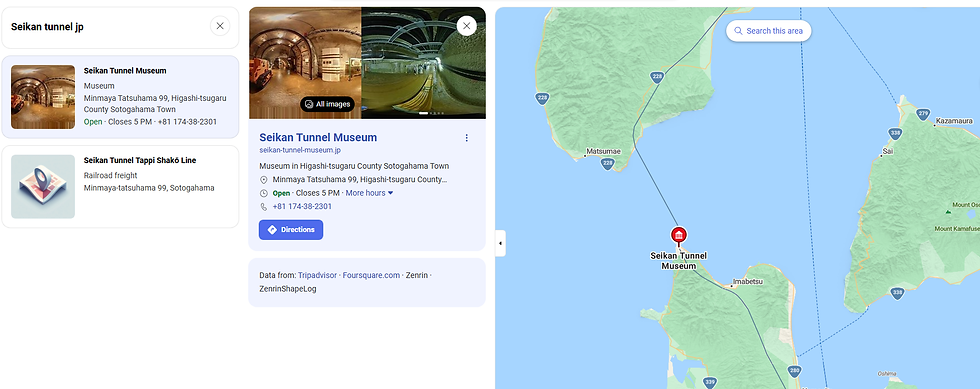
Seikan Tunnel (JP) — rail undersea, 53.85 km, opened 1988; world’s longest undersea tunnel by total length.
Lærdal Tunnel (NO) — road, 24.51 km, opened 2000; world’s longest road tunnel.

Marmaray (TR) — rail link incl. immersed tube, 13.5 km, opened 2013; deepest immersed rail tube (~58 m).

Eurasia Tunnel (TR) — road double‑deck under Bosphorus, 5.4 km, opened 2016; max depth ~106 m.

SR 99 Tunnel (Seattle, US) — road bored tunnel, ~2 mi (2.83 km), opened 2019; replaced Alaskan Way Viaduct.

Elizabeth line tunnels (London, UK) — rail, ~42 km of new tunnels; opened 2022 core; +10% central London capacity.

Silvertown Tunnel (London, UK) — road twin‑bore under Thames, 1.4 km, opened 7 Apr 2025; tolled with Blackwall; zero‑emission bus routes.

Brenner Base Tunnel (AT–IT) — rail base tunnel 55 km (with Innsbruck bypass 64 km), scheduled 2032.

Fehmarnbelt Fixed Link (DK–DE) — immersed road+rail ~17.6–18 km, opening 2029; world’s longest immersed tunnel.

Grand Paris Express (FR) — ~200 km of new metro, 68 stations, staged 2024–2031; L15 South delayed to late 2026.

Auckland City Rail Link (NZ) — rail twin tunnels 3.45 km, opening H2 2026; first full‑length test train in 2025.

Zojila Tunnel (IN) — road, 13.153 km; government schedule Sep 2026 (works >50% as of Aug 2024).

Chenani–Nashri / Dr. Syama Prasad Mookerjee Tunnel (IN) — road, 9.28 km, opened 2017; India’s longest road tunnel at opening.

HZMB Immersed Tunnel (CN–HK–MO) — part of 55 km sea crossing; 6.7 km undersea (immersed section ~5.6 km), opened 2018.

Zhongnanshan / Qinling Tunnel (CN) — road twin‑tube, 18.04 km, opened 2007. [hzmb.gov.hk]

Rogfast (NO) — subsea road twin‑bore + spur, 27 km, deepest ~392 m, opening 2033. [awards.ita-aites.org], [en.wikipedia.org]

HS2 Chiltern Tunnel (UK) — high‑speed rail twin‑bore, 16.04 km; both TBMs done by Mar 2024, fit‑out ongoing

North East Link Tunnels (Melbourne, AU) — road, 6.5 km twin 3‑lane TBM tunnels; opening 2028; first 1.6 km drives completed 2025. [

Ontario Line (Toronto, CA) — Southern Tunnels — metro twin tunnels ~6 km (Exhibition → Don Yard portal); public TBM naming & shaft milestones in 2025; line opening targeted 2031.

How Tunneling Supports Climate-Resilient Infrastructure
Urban areas are vulnerable to climate change effects such as flooding and heat waves. Underground infrastructure can help cities adapt to these challenges. Tunnels are naturally insulated from temperature extremes, reducing energy needed for heating and cooling transit systems.

Additionally, tunnels can be designed to manage stormwater and prevent flooding. For instance, cities like Rotterdam have developed underground water storage tunnels that temporarily hold excess rainwater during storms, protecting streets and buildings from damage.
By moving transport and utilities underground, cities can also reduce their carbon footprint. Electric metro trains running in tunnels produce fewer emissions than cars stuck in traffic. This shift supports cleaner air and healthier urban environments.
Advances in Tunneling Technology Make Projects Safer and More Efficient
Modern tunnel boring machines (TBMs) have revolutionized underground construction. These massive machines can cut through rock and soil with precision, minimizing risks such as ground settlement that could damage buildings above.
Innovations include:
Real-time monitoring systems to track machine performance and ground conditions
Improved cutter heads that adapt to different soil types
Automated guidance systems for accurate tunnel alignment
These advances reduce construction time and costs, making underground projects more feasible for cities of all sizes.
Examples of Successful Urban Tunneling Projects
Several cities have demonstrated the benefits of tunneling through large-scale projects:
Crossrail in London: This new railway tunnel under the city adds 42 kilometers of track and connects suburbs with central London, reducing travel times and easing congestion.
Gotthard Base Tunnel in Switzerland: The world’s longest railway tunnel, it cuts through the Alps to provide a faster, greener route for freight and passengers.
Seoul’s Cheonggyecheon Stream Restoration: By moving a highway underground through tunneling, Seoul restored a historic stream above, creating green space and improving urban life.
These projects show how tunneling can transform cities by improving transport, reclaiming surface space, and enhancing sustainability.
Challenges and Considerations for Urban Tunneling
While tunneling offers numerous benefits that can significantly enhance urban infrastructure, it also presents a variety of challenges that must be carefully navigated:

High upfront costs: The construction of tunnels demands a substantial initial investment, often running into millions or even billions of dollars. This includes expenses related to advanced technology, skilled labor, and extensive materials. While these costs can be daunting, it is essential to recognize that the long-term benefits, such as reduced traffic congestion, improved public transportation, and increased property values, often justify the initial financial outlay. Moreover, the economic boost generated by enhanced connectivity can lead to substantial returns on investment over time.
Complex geology: Urban environments are characterized by a wide variety of soil and rock conditions. Each location presents its own unique geological challenges, such as varying soil types, groundwater levels, and the presence of existing geological faults. This complexity necessitates meticulous planning, comprehensive geological surveys, and the use of specialized tunneling equipment designed to handle specific conditions. Engineers must be adept at adapting their methods to ensure safe and efficient tunneling, which can complicate project timelines and budgets.
Coordination with existing infrastructure: In densely populated cities, the underground landscape is often congested with a web of existing utilities, including water pipes, gas lines, electrical conduits, and communications cables, as well as the foundations of buildings and other tunnels. This intricate network requires extensive mapping and coordination efforts to avoid disruptions. Engineers must collaborate closely with utility companies and city planners to ensure that tunneling projects do not interfere with existing services, which could lead to costly delays and safety hazards. Additionally, public safety must be prioritized to prevent accidents during construction.
Successful urban tunneling projects hinge on a combination of thorough planning, skilled engineering, and active community engagement. By addressing these challenges proactively, cities can mitigate risks and foster public support, ultimately leading to successful project outcomes.
The Future of Cities Lies Beneath the Surface
As urban populations continue to grow and the pressures of climate change become increasingly apparent, cities are compelled to find innovative and sustainable ways to expand and adapt to the changing environment. Urban tunneling emerges as a practical and forward-thinking solution that not only alleviates surface-level congestion but also unlocks valuable new space beneath the city. This underground expansion supports the development of efficient transportation systems, such as subways and light rail, which can significantly reduce the carbon footprint associated with urban travel.
Moreover, tunneling can play a critical role in enhancing urban resilience against environmental risks, such as flooding and extreme weather events. By creating underground reservoirs or stormwater management systems, cities can better manage excess water and protect vulnerable areas from flooding. This proactive approach to infrastructure development is essential for building cities that can withstand the challenges posed by climate change.
City planners and engineers should view tunneling not merely as an option, but as a core strategy for future urban development. By investing in robust underground infrastructure today, cities can pave the way for cleaner, safer, and more livable environments for generations to come. The potential for creating vibrant urban spaces that harmoniously integrate above-ground and below-ground elements is immense, and with thoughtful planning and execution, the future of urban living can be both innovative and sustainable.


Comments